

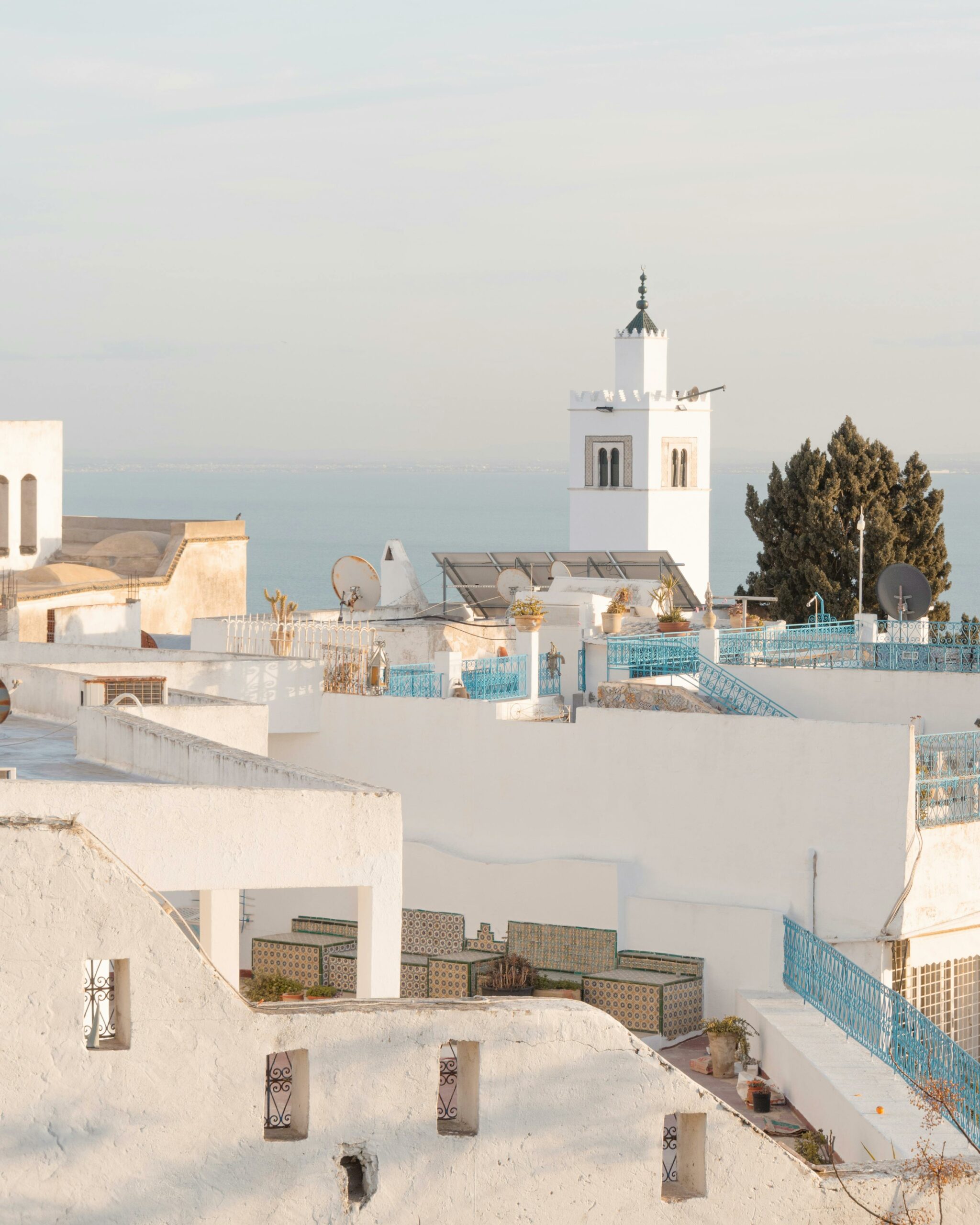

The **Human Development Index (HDI)** is an indicator that measures a country’s overall development by combining three main dimensions: **health** (life expectancy), **education** (level of education and schooling rates), and **standard of living** (gross national income per capita). Tunisia, located in North Africa, ranks among countries with **high human development**, with an HDI relatively higher than many other countries in the region. However, despite notable progress, challenges remain to further improve this development.
### **1. Evolution of the HDI in Tunisia**
Since its independence in 1956, Tunisia has made enormous strides in human development. The country succeeded in establishing a solid infrastructure in education, health, and social welfare. This progress is the result of social and economic reforms, as well as state initiatives to provide accessible public services.
However, Tunisia has experienced periods of turbulence, particularly after the **2011 Revolution**, which led to major political changes and social and economic instability. Despite these hurdles, Tunisia remains an example of human development progress in North Africa, although it faces structural economic issues, including high unemployment, slow economic growth, and regional inequalities.
### **2. Education in Tunisia**
Tunisia has invested heavily in education since its independence. The country boasts a high literacy rate—near **80%** for the adult population—and an educational system accessible to all. Primary education is universal and free, with significant progress made in secondary and higher education.
* **Gender Equality:** Tunisian women have near-equal access to education, making Tunisia a leader in the Arab world for gender parity in schooling.
* **Higher Education:** The country is home to many universities and institutes, several of which are ranked among the best in Africa and the Arab world.
* **Challenges:** Quality issues persist, particularly in public schools, and disparities remain between urban hubs like **Tunis** and rural areas, where access to quality education is more limited.
### **3. Healthcare in Tunisia**
In terms of health, Tunisia has made considerable progress. Life expectancy has risen to approximately **76 years**, a positive indicator of improved living conditions and access to care. The country has a well-developed healthcare network with relatively extensive coverage, especially in large cities.
* **Public Policy:** Much of the population has access to free or state-subsidized healthcare.
* **Disparities:** Gaps exist between urban and rural regions, where access remains restricted, and public hospitals sometimes face shortages of medical equipment and personnel.
* **New Challenges:** While infectious diseases have been reduced, Tunisia faces new health hurdles, including an aging population and an increase in chronic illnesses such as cardiovascular diseases and diabetes.
### **4. Standard of Living and the Tunisian Economy**
Tunisia benefits from a diversified economy, with key sectors such as **tourism, agriculture, textiles, and services**. It has made significant progress in infrastructure development and economic modernization. While GNI per capita has improved, living standards remain unequal across different regions.
* **Unemployment:** A primary challenge is unemployment, particularly among **young graduates**. Despite moderate growth, the economy struggles to create enough sustainable jobs for its growing population.
* **Regional Tensions:** The post-2011 economic crisis exacerbated social inequalities, especially in southern regions and rural areas where poverty rates remain high.
* **Macroeconomics:** Growing public debt and a fragile financial sector limit the state’s capacity to invest in new infrastructure projects.
### **5. Social and Political Challenges**
Tunisia underwent a political transition following the 2011 Revolution. While the democratic process opened the door to political reforms, it also brought a degree of instability. The country continues to face challenges regarding governance, corruption, and political reform.
Social tensions, fueled by economic difficulties, manifest in regular protests, particularly in regions where inequalities are most pronounced. Tunisian youth, in particular, are demanding more economic opportunities and better access to public services.
—
### **Conclusion**
Tunisia continues to rank among countries with high human development, with an HDI superior to many other African and Arab nations. However, to maintain and improve its ranking, the country must resolve structural issues such as **unemployment, poverty, and regional inequalities**, while enhancing the quality of its education and healthcare. Political stability and deep economic reforms will be essential to ensuring a more inclusive and sustainable development for all Tunisians.
