

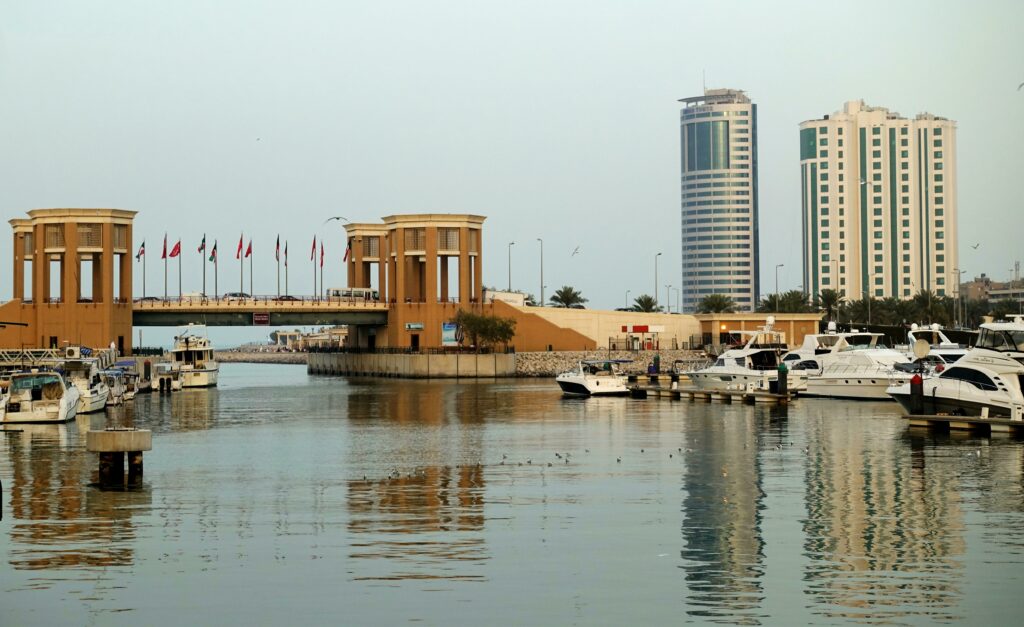

Bahrain, a small kingdom in the Persian Gulf, has experienced rapid development in recent decades thanks to economic prosperity and social reforms. The country’s **Human Development Index (HDI)** reflects this progress, although challenges remain. The HDI is a composite indicator measuring three essential dimensions: **life expectancy**, **education**, and **standard of living**.
### **1. Bahrain’s HDI: “High” Human Development**
Bahrain is ranked in the “High Human Development” category by the UNDP (United Nations Development Programme). While it may not sit at the very top of the global rankings, it remains a major player in the Gulf region. Its HDI is higher than many middle-income countries, reflecting sustained efforts in health, education, and living standards.
### **2. Life Expectancy**
Life expectancy in Bahrain is relatively high, hovering around **80 years**. The country has made significant strides in healthcare through modern medical infrastructure accessible to the majority of the population. Progress in combating infectious diseases and improving sanitary conditions has bolstered these figures.
* **Challenge:** Public health issues, such as lifestyle-related diseases (heart disease, diabetes), are emerging. Bahrain is investing in public health campaigns to address these trends.
### **3. Education**
Education is an area of considerable progress. The country offers quality primary and secondary education, with growing opportunities in higher education through well-established institutions.
* **Success:** The literacy rate is near **100%**.
* **Outlook:** The system faces challenges in aligning curricula with labor market needs. Continuous reform is required to enhance the quality of higher education and promote skills suited for a diversified economy.
### **4. Income and Quality of Life**
Bahrain’s Gross National Income (GNI) per capita is relatively high, though lower than that of some neighbors like Kuwait or Qatar. Bahrain was a pioneer in diversifying its economy beyond oil, establishing itself as a **regional banking hub** and a center for foreign investment.
* **Strategy:** Through “**Vision 2030**,” the government aims to further reduce its dependence on hydrocarbons by strengthening the financial, service, and tourism sectors.
### **5. Disparities and Challenges**
Despite these achievements, several factors affect Bahrain’s overall development:
* **Social Disparities:** There are gaps between nationals and migrant workers, who make up a large portion of the workforce. Those in low-paid sectors may not always access the same educational or healthcare opportunities.
* **Internal Context:** Concerns persist regarding political inclusion and human rights, which are integral to the broader definition of human development.
### **6. Future Perspectives**
The “Vision 2030” serves as the roadmap for Bahrain’s future, focusing on:
* Economic diversification.
* Modernization of infrastructure.
* Improvement of public services (Health & Education).
* Attracting foreign investment in new sectors like tourism and technology.
—
### **Conclusion**
Bahrain enjoys a high HDI thanks to strategic investments in its people and infrastructure. However, it must continue to navigate social inequalities and its remaining dependence on the oil sector. The success of its economic reforms will be central to improving human development in the years to come.
