

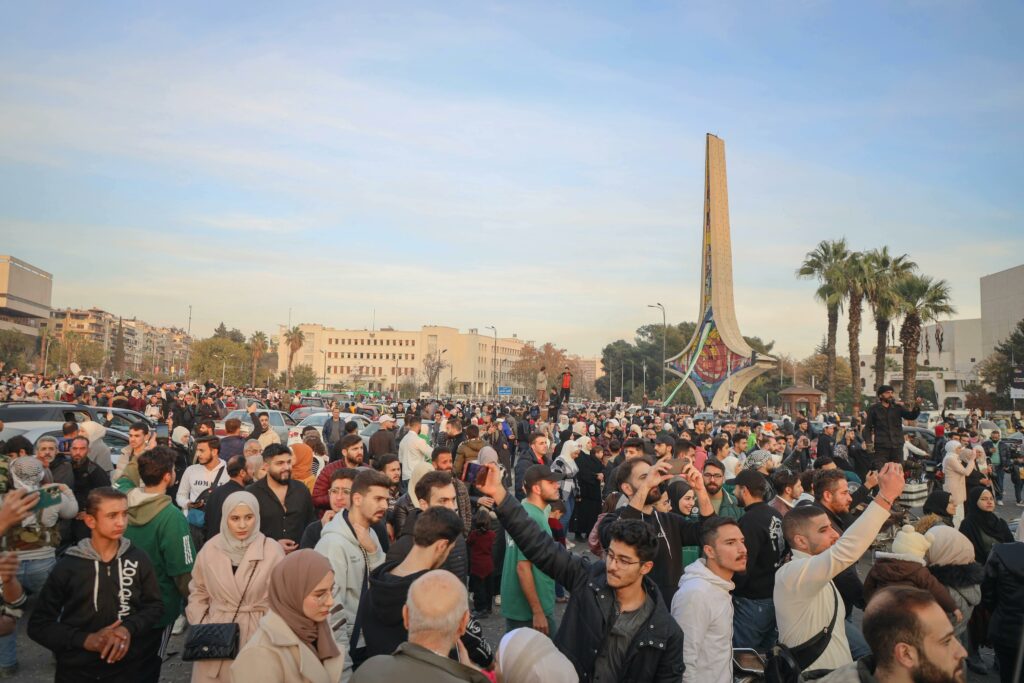

The **Human Development Index (HDI)** is a composite indicator that measures a country’s global progress through three essential dimensions: **health** (measured by life expectancy), **education** (level of instruction and schooling rates), and **standard of living** (gross national income per capita). Syria, a Middle Eastern nation, has experienced a dramatic deterioration of its HDI in recent years due to the civil war that has persisted since 2011. Before the conflict, Syria was classified among countries with **medium human development**, but the effects of the war have severely hindered its progress across almost every dimension.
### **1. Evolution of the HDI in Syria**
Before the start of the civil war in 2011, Syria saw steady progress in human development. The HDI was constantly improving thanks to investments in health, education, and economic reforms. However, the prolonged conflict has had a devastating impact.
Today, Syria is ranked among countries with **low human development**, with very low indicators in several areas. The country has suffered:
* **Massive infrastructure destruction.**
* **A generalized humanitarian crisis.**
* **A massive exodus of refugees** and internal fragmentation of the territory.
* **Exploding poverty and unemployment rates**, deeply affecting the daily lives of Syrians.
### **2. Education in Syria**
Education in Syria suffered a massive shock due to the conflict. Before 2011, Syria had made great strides in improving literacy and enrollment rates, with a well-structured system compared to its regional peers.
* **School Closures:** The conflict caused massive school closures and displacements, depriving nearly half of Syrian children of access to education.
* **Infrastructure Damage:** School buildings have been severely damaged or destroyed, and many teachers have been killed or displaced.
* **Regional Disparities:** Urban areas less affected by combat maintain some access to education, while rural areas or those under the control of extremist groups suffer from a total absence of governance and infrastructure.
### **3. Healthcare in Syria**
The health sector has been one of the hardest hit. Before the conflict, the country had a relatively good healthcare system, with a life expectancy of about **75 years** and low infant mortality.
* **System Collapse:** The war led to the destruction of hospitals, severe shortages of medicine, and a “brain drain” of medical professionals.
* **Public Health Crisis:** According to the World Health Organization (WHO), many clinics have closed, making basic medical care inaccessible. There has been a resurgence of infectious diseases and widespread malnutrition, especially among children.
* **Declining Indicators:** Life expectancy has plummeted, and maternal mortality has significantly increased due to the lack of adequate prenatal and postnatal care.
### **4. Standard of Living and the Syrian Economy**
Before 2011, the Syrian economy was relatively diversified, relying on **agriculture, oil, and various industrial sectors**. The war has decimated these sectors.
* **Economic Collapse:** Gross National Income (GNI) per capita has dropped spectacularly. International sanctions, combined with the destruction of physical infrastructure, have aggravated the situation.
* **Currency Crisis:** Record-high inflation and the massive devaluation of the Syrian pound have made basic necessities unaffordable for the majority of the population.
* **Displacement:** Millions of Syrians remain internally displaced (IDPs) or live in precarious conditions in refugee camps in neighboring countries like Lebanon, Jordan, and Turkey.
### **5. Social and Political Challenges**
The conflict has caused deep social fractures. Ethnic and religious divisions have been exacerbated as various factions took power in different regions.
* **Political Stalemate:** The Syrian government continues to struggle to maintain power against internal opposition and external interventions.
* **International Division:** The global community remains divided on how to resolve the crisis, complicating efforts to stabilize the country and restart development.
—
### **Conclusion**
Syria is currently in an extremely difficult situation regarding human development. The conflict has had a devastating impact on the health, education, and standard of living of its people. Syria has fallen into the category of nations with **low human development**, with indicators far below those observed before the war.
To improve its HDI, Syria must face immense challenges: **reconstructing infrastructure**, **social and political reconciliation**, and **economic revival**. However, peace and stability are indispensable prerequisites for any sustainable development process in the country.
