

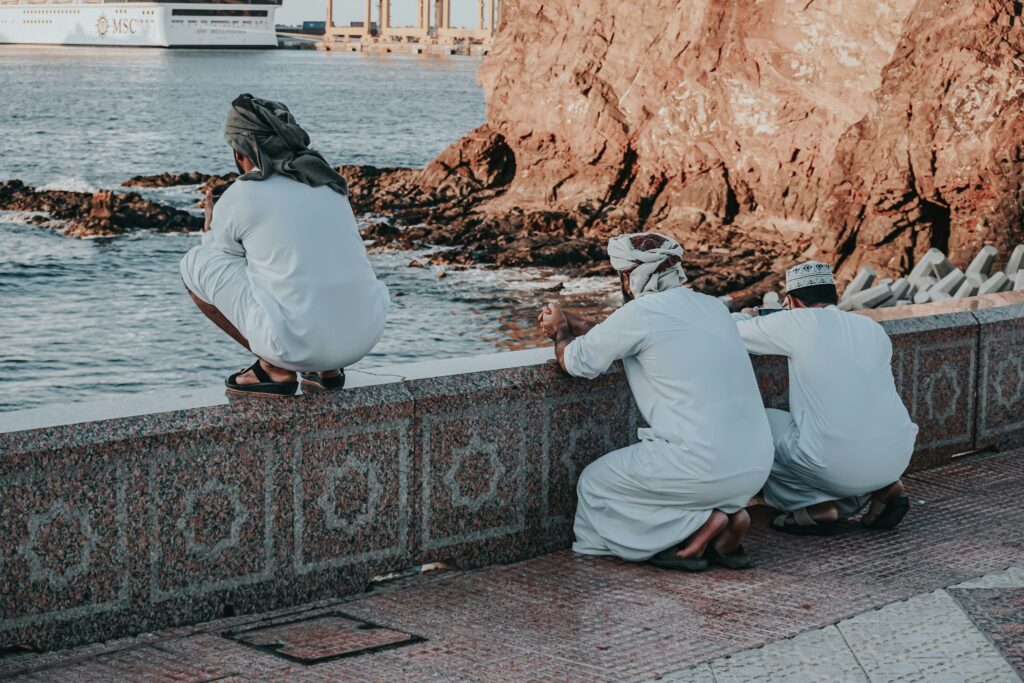

The **Sultanate of Oman**, located at the southeastern tip of the Arabian Peninsula, is a country where human development has seen significant progress over the recent decades. The **Human Development Index (HDI)**, which measures progress in three fundamental areas—**health, education, and income**—reflects the country’s efforts to improve the quality of life for its citizens.
### **1. Oman’s HDI: High Human Development**
The Sultanate of Oman is ranked among countries with “**High Human Development**” according to the UNDP (United Nations Development Programme). The country has made great strides in health, education, and income, allowing it to maintain an HDI above the average for middle-income countries.
While Oman is not yet in the “Very High” HDI category, it distinguishes itself through a development model centered on **sustainability and social inclusion**.
### **2. Life Expectancy and Health**
Life expectancy at birth in Oman is high, often exceeding **75 years**, testifying to the improvement of healthcare in the country. Since the early 1970s, health services have been considerably expanded through investments in modern hospitals and clinics, as well as the training of local health professionals.
* **Successes:** An accessible healthcare system and universal vaccination programs have drastically reduced infant mortality.
* **Challenges:** Like many Middle Eastern countries, Oman faces a rise in lifestyle-related chronic diseases, such as diabetes and heart disease. The government has implemented public health policies to encourage healthier living.
### **3. Education and Literacy Rates**
Education is an area where Oman has achieved remarkable progress. Educational reforms launched in the 1970s provided free and compulsory primary and secondary education.
* **Indicators:** The literacy rate in the Sultanate today exceeds **95%**.
* **Higher Education:** The sector has expanded with local universities like **Sultan Qaboos University** and partnerships with international institutions.
* **Current Challenge:** Aligning educational outcomes with labor market needs, particularly within the private sector.
### **4. Income and Standard of Living**
Oman benefits from a relatively stable economy due to its oil and gas reserves. GNI per capita is high, and a social safety net exists to support citizens.
* **Oman Vision 2040:** Recognizing that oil dependence is a vulnerability due to price fluctuations, the Sultanate has launched a strategic plan to diversify the economy, strengthen the private sector, and promote innovation.
### **5. Social Inequalities and Challenges**
Oman has made progress in reducing social inequalities, but challenges remain:
* **Inclusion:** Ensuring the well-being and integration of the expatriate population, which forms a significant portion of the workforce.
* **Regional Balance:** Reducing disparities between urban and rural areas regarding access to specialized health services and economic opportunities.
### **6. Future Outlook**
Under the guidance of “**Vision 2040**,” Oman seeks to bolster human development by:
* Diversifying income sources (tourism, sustainable agriculture, technology).
* Investing in **renewable energy**.
* Strengthening governance and policies that ensure inclusive and sustainable growth.
—
### **Conclusion**
Oman’s HDI reflects the country’s success in human development, particularly in health and education. However, addressing economic dependence on oil and social inequalities remains a priority. Through its ambitious reforms, the Sultanate aims to build a more resilient and diversified economy to ensure a high quality of life for future generations.
