

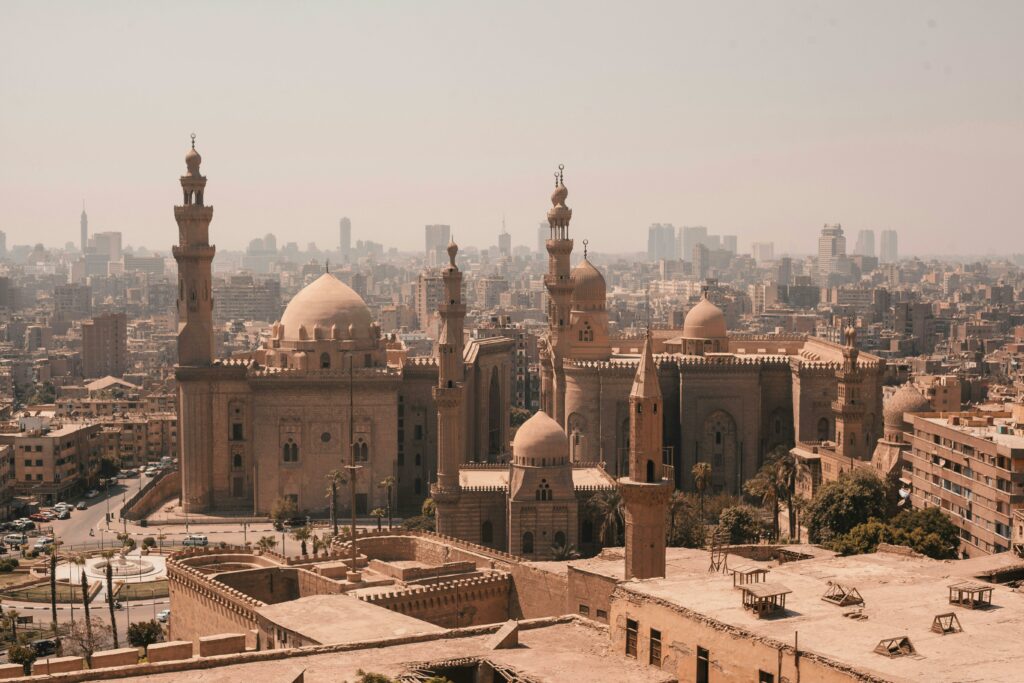

The **Human Development Index (HDI)** is a composite indicator that measures a country’s overall development by taking into account three fundamental dimensions: **health** (life expectancy at birth), **education** (school enrollment rates and level of instruction), and **standard of living** (gross national income per capita). Egypt, the most populous country in the Arab world, has made considerable progress in several of these areas, but it continues to face major challenges in its human development, notably due to internal economic, social, and political issues.
### **1. Evolution of the HDI in Egypt**
Egypt has seen an improvement in its HDI over recent decades, although the country is still part of the nations with **medium human development**. Economic and social reforms undertaken over the years have allowed for some growth, particularly in the fields of education and health. However, HDI results remain uneven, with notable disparities between urban areas, such as **Cairo**, and rural regions.
While Egypt’s HDI has progressed, numerous challenges remain, especially due to political instability, structural economic problems, persistent poverty, and regional inequalities. The country also faces a high unemployment rate, particularly among youth and university graduates.
### **2. Education in Egypt**
Education is one of the sectors where Egypt has made significant progress over the years. The literacy rate has increased, reaching approximately **75%** for the adult population, and primary education is free and widely accessible. The state has also implemented policies to improve access to secondary and university education.
* **Quality Concerns:** Although access has expanded, the **quality of instruction** remains a major concern. The educational system suffers from issues such as overcrowded classrooms, poor school infrastructure, and a lack of resources for teachers.
* **Labor Market Mismatch:** There is a disconnect between academic training and the actual needs of the modern labor market.
* **Geographic Disparities:** Access to quality education is more limited in rural regions, and while girls have increasingly equitable access, they may still face obstacles in certain conservative communities.
### **3. Healthcare in Egypt**
The health sector in Egypt has seen advances, but it remains insufficient to fully meet the needs of the population. Life expectancy has increased to approximately **73 years**, reflecting an improvement in living conditions.
* **Public vs. Private:** Public hospitals, while accessible, often suffer from shortages of medical equipment, medication, and qualified personnel. High costs in the private sector prevent a large portion of the population from benefiting from optimal care.
* **Epidemiological Shift:** Egypt faces a significant burden of non-communicable diseases, such as cardiovascular diseases and diabetes, alongside health issues caused by pollution and difficult living conditions in mega-cities.
### **4. Standard of Living and the Egyptian Economy**
Egypt’s economy relies heavily on sectors such as **oil, gas, tourism, and agriculture**. While the country enjoys a moderate GNI per capita, economic disparities remain stark. The poverty rate stays high, and a significant portion of the population lives in precarious conditions.
* **Employment:** Unemployment is a major issue, particularly among the youth. The labor market struggles with a slow adaptation to 21st-century challenges and the need for economic diversification.
* **Macroeconomic Pressure:** Recent reforms aim to stabilize the economy and attract foreign investment, but results are mixed. Rising public debt and high inflation continue to challenge the management of natural and human resources.
### **5. Social and Political Challenges**
Egypt faces several social and political challenges that hinder its human development:
* **Stability and Governance:** Since the 2011 revolution, the country has navigated periods of instability. Governance remains marked by challenges regarding human rights, freedom of expression, and the fight against corruption.
* **Social Inequality:** A large part of the population, particularly in rural areas, suffers from malnutrition and limited access to basic services.
* **Environmental Pressure:** Issues such as the management of the **Nile’s water** and urban pollution add further pressure on the country’s limited resources.
—
### **Conclusion**
Egypt has made important strides in several areas of human development, notably education and health. However, it continues to face major challenges in terms of unemployment, poverty, education quality, and healthcare access. To improve its HDI, Egypt must address these challenges through deep economic and social reforms, while ensuring greater equity in resource distribution. Economic diversification, improved governance, and a commitment to human rights will be key factors for a more inclusive and sustainable human development.
